
Reviewed · PORT LOUIS TOURS
ROUTE OF INDIAN SPIRITUALITY
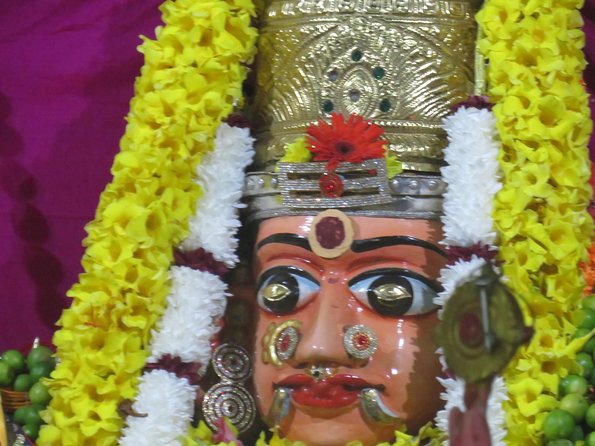
This experience is interesting because it treats Indian spirituality in Mauritius as a living story, not a museum piece. You visit three emblematic temples, learn the why behind key rituals, and hear how these practices connect to Mauritian history and the present day. It is also playful in tone, but always respectful of the faith.
I especially liked the way the guide (Eric) explains symbolism in plain language, including the questions many people wonder about, like why Shiva is shown with a blue neck and why a lingam is constantly watered. I also like the focus on Tamil and Hindu traditions side by side, so you understand both the beliefs and how Mauritians keep them alive.
One thing to consider: this tour needs good weather. If conditions are poor, it can be rescheduled or refunded, so build in a little flexibility.
Key highlights to know
- Three temples, one coherent story that ties together Hindu devotion, Tamil tradition, and Mauritian history
- Eric’s teaching style turns religious symbolism into clear, practical explanations
- Triolet’s Maha Shivaratree starting point in 1898, giving you real historical anchors
- Cap Malheureux Tamil kovils, with legends and myths you can actually follow
- A 15-meter Muruga statue and its connection to the Batu Caves in Kuala Lumpur
- Festival-focused learning around Maha Shivaratree, Cavadee, Ganesh Chaturti, Ganga Snan, and Govinden
What makes this Mauritius temple route more than sightseeing
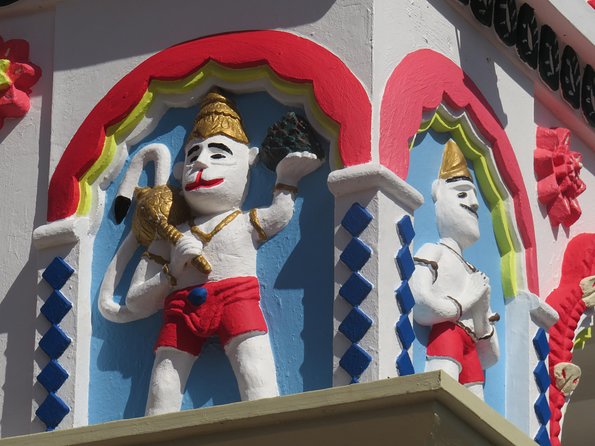
If you like travel that answers questions, this tour is built for you. You do not just look at statues. You get explanations for religious symbols and ritual habits, and you hear how those meanings show up in Mauritius.
The best part is the balance. You’ll hear Hindu and Tamil themes together, so you can see how the faith takes shape in a specific place. You’ll also hear Mauritian history discussed alongside devotion, including slavery and what people do with that past today.
And yes, it stays respectful. The questions come first, like why Shiva is depicted with a blue neck or why the lingam should be watered, then you get the reasoning behind the practice.
If you want pure photo stops, you might feel the pace is a bit more talk-and-story than scenery.
A few more Port Louis trips to hold up against this one
- Mauritius: Exclusive South West Tour
★ 4.8 · 523 reviews - Port Louis: Street Food & City Tour
★ 4.7 · 518 reviews - Mauritius North: Private Paradise Tour with Gardens, Markets
★ 4.8 · 446 reviews
How the 3-hour private tour runs from La CroisetteMU
This is a private experience, so it is only your group. That matters because it keeps the flow flexible and makes it easier to ask questions as you go, especially when the topics get specific.
You meet at La CroisetteMU, Chem. Vingt Pieds, Grand Baie 30517, Mauritius at 9:00 am. The tour lasts about 3 hours, and it ends back at the same meeting point.
You’ll use a mobile ticket, and you should get confirmation at booking. The tour is also described as being near public transportation, and service animals are allowed. Most people can participate, and good weather is important since the plan is outdoors and you’re moving between sites.
So plan for a morning start and bring curiosity. You’ll get the most out of it if you go in wanting to understand the meaning behind what you see.
Triolet and the 1898 Maha Shivaratree pilgrimage start at Shiva’s temple
Your first stop is the temple in Triolet, linked to the start of the Maha Shivaratree pilgrimage in 1898. That date gives the whole route weight. You’re not just visiting a sacred place, you’re stepping into a local tradition with long roots.
At this stop, the emphasis is on Shiva and the way devotion works in everyday practice. Expect stories and explanations connected to the symbolism people notice right away, including why Shiva is shown with a blue neck and why the lingam is constantly watered. These are not random facts. They connect belief to action.
The tour also frames the temple visit as part of broader Mauritian religious life, so the stories feel grounded in local identity. Admission is free for this stop, which helps keep the value strong.
The main drawback here is simple. If Shiva-related symbolism does not interest you, your attention may wander. But if you like the idea of learning why rituals look the way they do, this opening stop sets a great tone.
Cap Malheureux first Tamil kovil: legends, myths, and local identity
Next you head to Cap Malheureux for a first Tamil temple, described as a kovil in the north of Mauritius. This is a key shift. It shows you how Tamil devotion has its own voice, even when it sits within the broader Hindu world.
This stop is built around description plus history, legends, and myths. That means you’re not only hearing what devotees do. You’re also hearing why stories matter in religious practice, because myths often explain what people should feel, not just what they should do.
It is also short, about 30 minutes, so you get focused time rather than a long lecture. Admission is free here too, which keeps the experience from feeling like a paid add-on.
What I like about structuring the tour this way is that it prevents confusion. Many visitors know the big names in Hinduism, but they do not know how Tamil temple culture expresses itself in a specific place like Mauritius. This stop helps you see that without drowning you in detail.
If you are short on time in the north and want meaningful context, this is one of the best ways to spend it.
Same coast, a very different half-day:
- Port Louis: Street Food & City Tour
★ 4.9 · 377 reviews - Port-Louis Street Food Tour
★ 5.0 · 264 reviews - TAXI north guided tour.
★ 5.0 · 171 reviews - Mauritius: Port Louis and Northern Highlights Full-Day Trip
★ 4.3 · 161 reviews
Muruga in the skyline: a 15-meter statue replica in Cap Malheureux
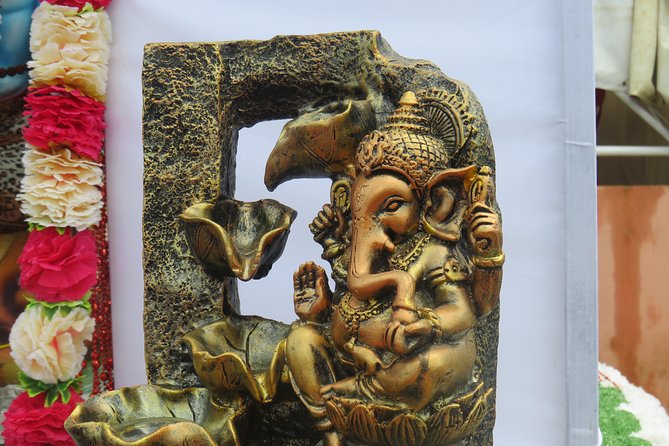
Then you visit a second temple in Cap Malheureux, centered on Muruga, also known as Kartikeya in many traditions. The standout here is the scale: you can admire a 15-meter-high Muruga statue, described as a replica of the statue at the entrance of the Batu Caves in Kuala Lumpur.
Even if you have never been to Batu Caves, this reference helps you build a mental map. It explains how devotion travels and how communities recreate sacred iconography across oceans. You get a visual anchor that makes the stories easier to remember later.
This stop is brief, about 15 minutes, so it is not meant to be a slow wander. It is more like a guided highlight, then you move on with clearer understanding of what you just saw.
Admission is free, again supporting the tour’s value. The only consideration is that this part is very much statue-focused. If you were hoping for deep ceremony or long prayer time here, you may need to plan for festival dates when the tour can follow processions or prayers.
Still, as a guided introduction to Muruga’s presence in Mauritian temple culture, it works.
Festival themes you will hear explained, from Shiva to Ganesh Chaturti
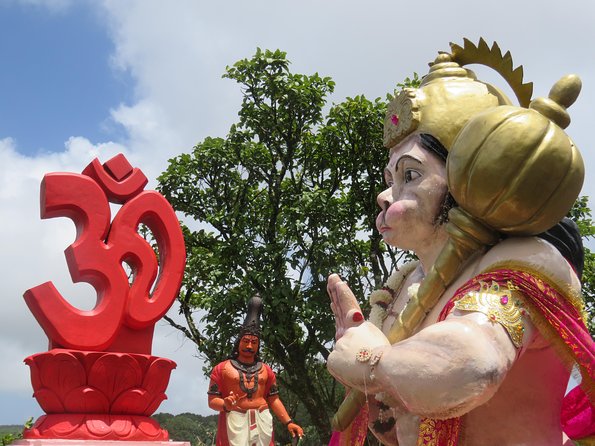
One reason this tour feels different from a standard temple walk is that the guide connects what you see to major festivals. You will hear about Maha Shivaratree, Cavadee, Ganesh Chaturti, Ganga Snan, and Govinden. You’ll also hear the questions behind these celebrations, including whether what you are seeing is Hindu religion, Tamil religion, or both in practice.
The route nudges you to think like a participant, not like a spectator. If you came to Mauritius wanting to understand why people prepare, gather, and practice with such commitment, these festival themes explain the logic.
The tour also proposes to attend and follow processions or prayers on specific festival dates. That is important because it turns your learning into something you can witness. If you can align your trip with one of those festival dates, the meaning of the temples gets stronger fast.
Also, the way the tour lists practical ritual questions helps you connect the dots. For example, once you understand the logic behind honoring the lingam, you can see why certain practices are not random. They are part of a system of devotion.
So if you like cultural context that actually explains behavior, this part is a big win.
Mauritian history, slavery, and faith today: why the stories matter
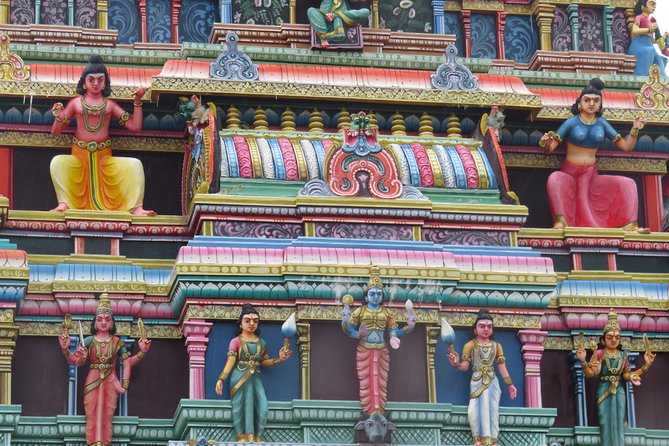
Religion is never only religion, especially in Mauritius. This tour explicitly ties temple spirituality to Mauritian history, including slavery and how communities carry forward commitment to the present day.
That context matters because it explains why these traditions are not just imported. They are reshaped and maintained under local conditions. You start to see the temples as both sacred spaces and cultural memory.
You’ll learn anecdotes and historical framing alongside deity explanations. That keeps the experience from becoming purely theoretical. It also helps you avoid the common mistake of treating island faith as generic. Here you get specificity.
The best teaching moments happen when the guide links symbols and festivals to shared identity in Mauritius. You learn why certain devotions show up with particular strength and how people interpret tradition in their own society.
A fair caution: if you want only theology and no historical context, you may find that the Mauritius history angle takes up time. But if you want to understand how spirituality fits into real life, this is exactly where the tour earns its value.
Price, tickets, and practical value for $64.61
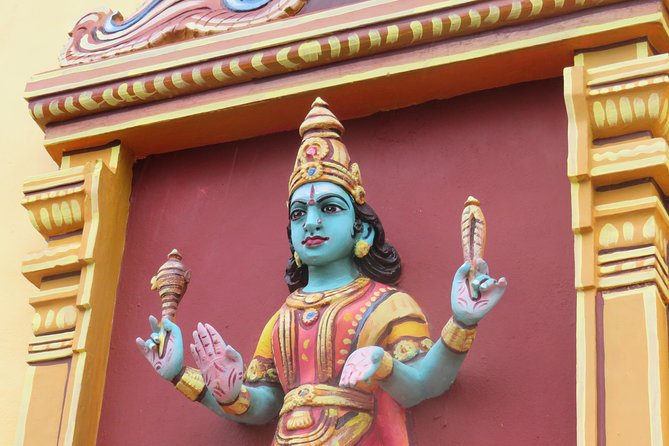
At $64.61 per person for about 3 hours, the value depends on what you want. If you’re trying to learn why temples look the way they do and what major festivals mean in Mauritius, this price looks reasonable.
You get three guided temple stops, with free admission listed at each site. You also get a private format for your group, which usually means less waiting and more direct interaction with the guide. The mobile ticket format keeps things simple.
Another quiet value point: the tour is described as booked in advance, with an average booking window of about 40 days. That is a hint the experience has a strong demand pattern, often because people want timing that matches their trip and possibly festival dates.
Could it be expensive for some? Yes, if you just want quick sightseeing and do not care about deity symbolism, ritual meaning, and Mauritian historical framing. Then $64.61 buys more explanation than scenery.
But if you are the type of traveler who likes to leave with answers, you will likely feel it is money well spent.
Who should book this route, and who should skip
Book it if you want a guided, respectful introduction to Indian spirituality in Mauritius that connects Hindu and Tamil traditions. This is especially good for first-time visitors who want more than a few photos and a quick explanation.
It also fits well if you enjoy topics like festival rhythm and ritual logic. The tour’s focus on why questions, like Shiva’s blue neck, lingam watering, and Ganesh Chaturti themes, gives you a structured learning path.
You should also book it if you like local history in the mix. The inclusion of Mauritian history, slavery, and the commitment to present-day life makes the story feel real.
Skip or consider carefully if you want mostly silent temple time or long ceremonies. The schedule is short at some sites, and the emphasis is on explanations and guided viewing rather than extended worship blocks.
Also consider your tolerance for weather dependence. Since the tour requires good weather, plan your trip with a little flexibility.
Should you book this Route of Indian Spirituality tour?
I think this tour is a strong pick if you care about meaning and context. The guide, Eric, comes through as the kind of person who can explain both religion and local history in a way that stays clear and thorough. The structure also helps, Shiva first, then Tamil kovil culture, then Muruga with the Muruga statue reference to Batu Caves.
If you can line up with a festival date when processions or prayers are part of the plan, your learning payoff can be bigger. Even on a non-festival day, the tour still gives you the framework to understand what you later see on your own.
My practical advice: choose this tour when you want to learn, not when you just want to check temples off a list. It’s a story route, and the best results come when you show up ready to listen.
FAQ
Where is the tour meeting point?
The tour meets at La CroisetteMU, Chem. Vingt Pieds, Grand Baie 30517, Mauritius, and it also ends back at the meeting point.
What time does the tour start?
The start time is 9:00 am.
How long is the experience?
It lasts about 3 hours.
Is this a private tour?
Yes. It is private, and only your group participates.
How much does it cost?
It costs $64.61 per person.
What kind of ticket do I receive?
You get a mobile ticket.
Are temple admission tickets included?
Yes. Admission tickets are listed as free for each of the three stops.
Does the tour run in any weather?
No. The experience requires good weather. If it is canceled due to poor weather, you will be offered a different date or a full refund.
What is the cancellation policy?
Free cancellation is available. You can cancel up to 24 hours in advance for a full refund.
Is it accessible and are service animals allowed?
Service animals are allowed, and the meeting area is near public transportation.
Newest listings around Port Louis
- Creole Culinary Workshop★ 5.0 · 3 reviews
- Port Louis: China Town Guided Food Tour★ 5.0 · 4 reviews
- Airport/hotel transfers★ 5.0 · 12 reviews
- Mauritius : Swim with turtles and Port Louis Street food tour★ 4.5 · 38 reviews
- Casela World of Adventures, West of Mauritius★ 4.0 · 82 reviews
- Mauritius Private South West Tour★ 5.0 · 3 reviews
- Southern Mauritius: Volcanoes & Coloured Earth★ 5.0 · 3 reviews
- 1 way Airport transfer★ 4.0 · 3 reviews
Port Louis Tours, compared.
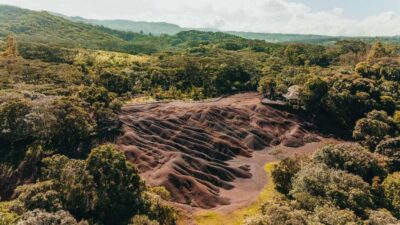

Port Louis and Northern Highlights Full-Day Trip
Read our review →
Enchanting South of Mauritius: Full-day tour Incl CASELA Park, Lunch & Transfer
Read our review →Browse the lists this tour appears in