
Reviewed · SCUBA DIVING
Tamarin Bay: Beginners Scuba Diving Experience
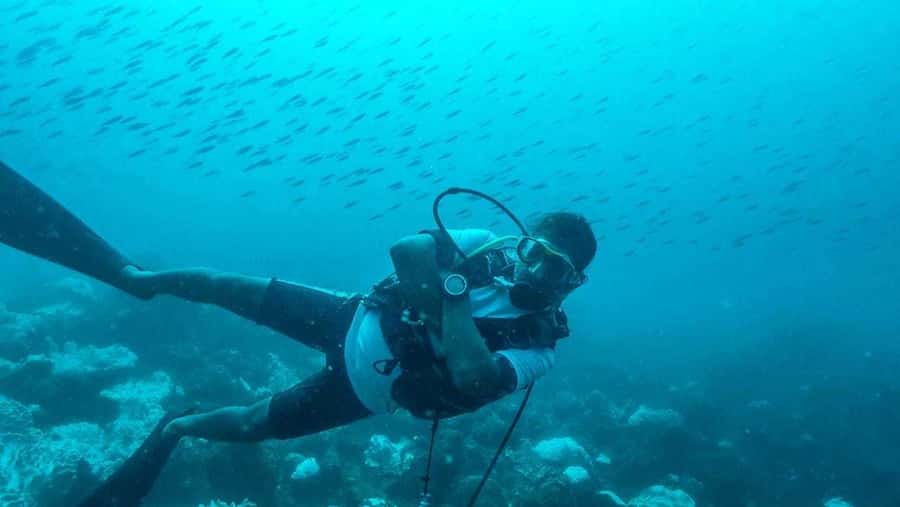
If you want the underwater world without a pile of paperwork or a certification, this beginner scuba session in Tamarin Bay is a smart way to start. I love the patient, step-by-step coaching and the small groups of up to 8, which keeps you close to your instructor and helps you feel in control. One possible drawback to plan for, the underwater time can be more about learning than about a massive showcase of fish variety.
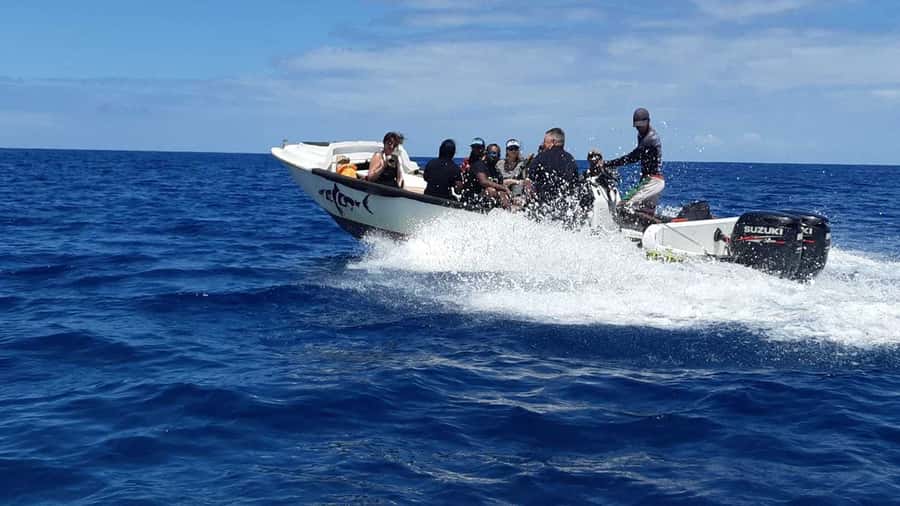
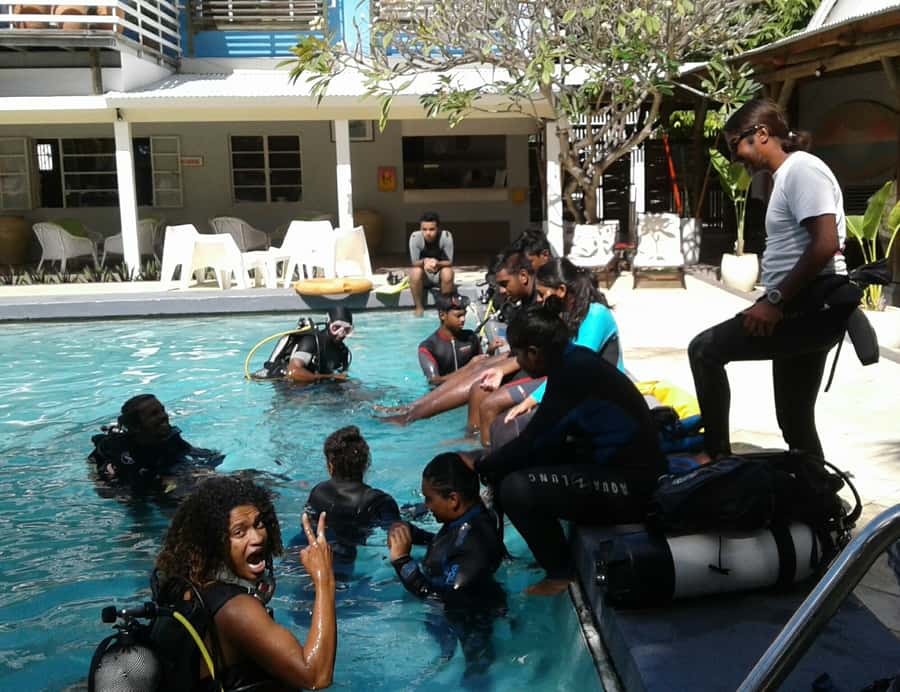
The morning usually follows a simple rhythm: you arrive, handle the medical and safety forms, get kitted out, and practice breathing and basic skills in a pool first. Then you head out by boat to calm, shallow underwater areas near Tamarin for supervised exploration, typically at a relaxed pace so beginners can stay comfortable.
In some sessions the group goes down to around 7 meters and spends roughly 30 minutes underwater, but the main goal is confidence, not speed. Go in with that mindset and you’ll leave with a real sense of what scuba feels like, in Mauritius, with people who take safety seriously.
Key highlights to know before you go
- No certification required for first-timers, with instruction throughout
- Pool practice first, so your first underwater breathing experience happens in a controlled setup
- Small groups (max 8), so you get personal attention when you need it most
- Calm, shallow water focus, built for confidence and basic skills
- English and French instructors, helpful if you’re traveling with mixed-language friends
- Modern, well-prepared gear setup, included in the price and handled by the team
Tamarin Bay scuba training, where your morning actually starts
This is the kind of experience that works because the team does the hard part for you up front. You show up to the scuba center, fill out basic medical and safety documents for insurance purposes, then get a clear safety conversation before any water work begins.
The practical value here is simple: scuba is mostly controlled breathing plus good habits. If you get those wrong, you feel it fast. So the early stage is not just paperwork. It’s the briefing that helps your body and your brain agree on what to do once you’re in equipment.
You’ll then get geared up and take part in equipment basics and simple exercises. Expect time to ask questions, because this activity is built for beginners. If you’re nervous, that’s normal, and the staff’s job is to make sure you’re not guessing.
A few more Mauritius trips to hold up against this one
- Mauritius: East Belle Mare Scuba Diving Tour
★ 4.8 · 136 reviews - Diving in the North with Blue World Adventures
★ 4.9 · 13 reviews - Discover Scuba Diving in the North of Mauritius
★ 5.0 · 7 reviews
Pool practice first, so underwater breathing feels possible
The first water stage is in a pool. That matters more than you might think.
In open water, your body is dealing with salt water, breathing through a regulator, buoyancy control, and keeping your nerves steady all at once. The pool stage lets you break that into steps. You get your gear on, learn the basic feel of the equipment, and practice the idea of breathing underwater with close supervision.
This is also where you learn what to do if you feel unsure. Because you are in shallow, controlled water, your instructor can correct small things early, before they become big problems later. It’s also a relief for first-timers. Your brain gets proof that the breathing part works, before the excitement of going out by boat.
Boat ride to calm shallow underwater areas, with constant instructor control
After the pool session, you board the boat to reach the underwater sites. You’re not sent out as an autonomous “try your luck” group. You’re guided.
Once you’re in the water, you’ll do a short exploration under constant instructor supervision. The goal is not to see everything. The goal is to stay relaxed, follow instructions, and experience the magic of breathing underwater without stress spiraling.
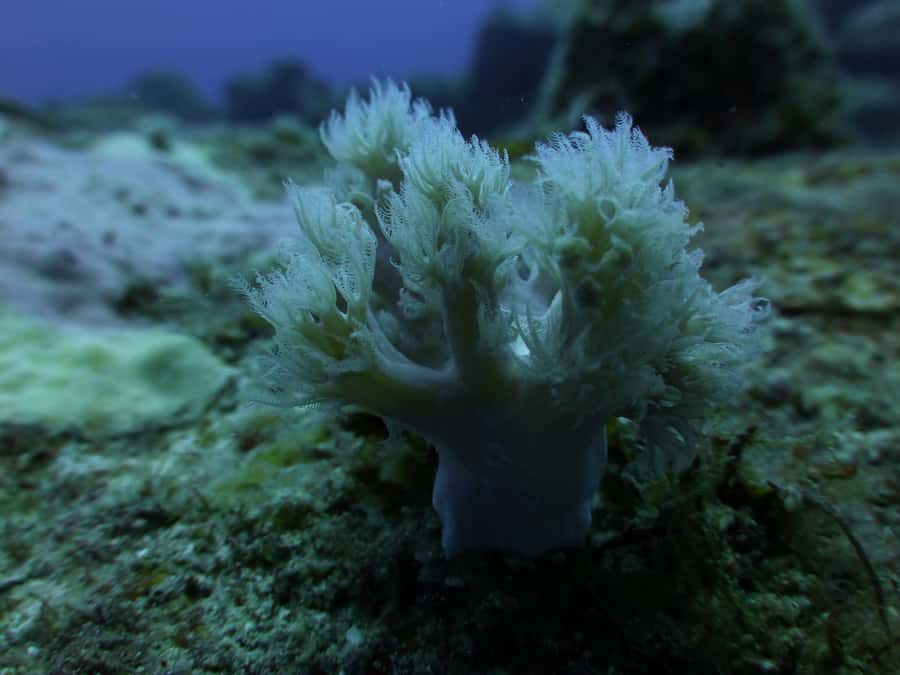
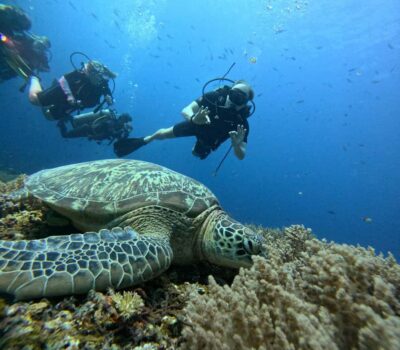
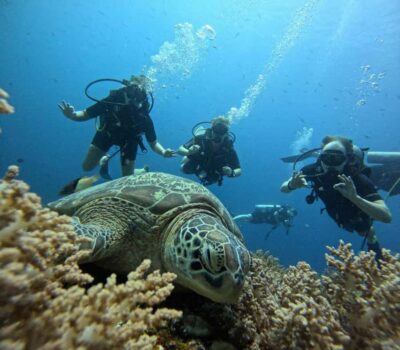
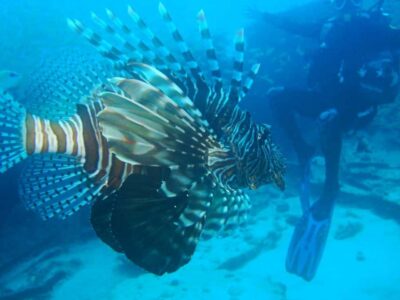
What you can expect to see will depend on the specific conditions and where you spend your time. Many beginners are happy simply because they can watch reef fish close by while they get comfortable moving with their gear. Still, if you’re the type who wants lots of fish variety and big coral views, keep expectations realistic. Some sessions may feel more instructional than spectacular, especially if conditions or the chosen area limits visibility and wildlife variety.
A good tip for managing expectations: when you hear the plan on the boat, ask how they’re matching the site to first-timers. If fish variety is a priority for you, politely ask where you’ll spend time and what you’re likely to spot there.
Small groups of 8: why it matters more than you’d expect
This experience caps the group at 8 participants. That’s not just a comfort detail. It’s a safety and learning multiplier.
With a smaller group, you get:
- Easier monitoring by your instructor
- More time for corrections during exercises
- Less crowding in the water when you need to adjust buoyancy or posture
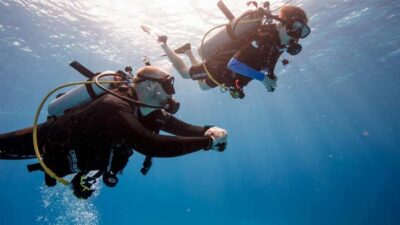
One of the most praised parts of the experience is how instructors stay close. On beginner-friendly sessions, it often feels like the guidance is right at your shoulder, with an instructor positioned next to you so you can follow cues and get reassurance quickly.
That’s especially helpful if you arrive anxious. In practice, scuba nerves often come from the same place: not knowing whether you’re doing things right. When the team keeps you watched and guided, you can focus on breathing, staying calm, and enjoying the moment.
Same coast, a very different half-day:
- Mauritius: Private Southwest Chamarel Highlights Tour
★ 4.8 · 1,427 reviews - Mauritius: Private South-West Nature & Viewpoints with Lunch
★ 4.8 · 1,129 reviews - Mauritius: Wild Southwest Full-Day Tour with Lunch
★ 4.7 · 1,038 reviews - Mauritius: Full-Day Tour with Chauffeur Guide
★ 4.8 · 721 reviews
What’s included in the $109 price, and where you may spend extra
At $109 per person for about 3 hours, this is a beginner-friendly value because it includes the big ticket items you usually don’t think about until you’re planning:
- Insurance
- Use of equipment
- Water
What’s not included:
- Food
- Towel
- Transfers
So the smart move is to treat the price as the cost of the full training and gear, then budget separately for your comfort items. If you don’t want to scramble, bring a plan for food on either side of the activity.
Pricing value check
For first-timers, what you want is guidance that reduces the chance of a frustrating first attempt. This format delivers that by combining pool practice, small-group control, and instructor supervision in shallow water. That’s usually more valuable than shopping for the cheapest option, because you pay for support and safety systems, not just time underwater.
Timing and how to prepare your body for calm water
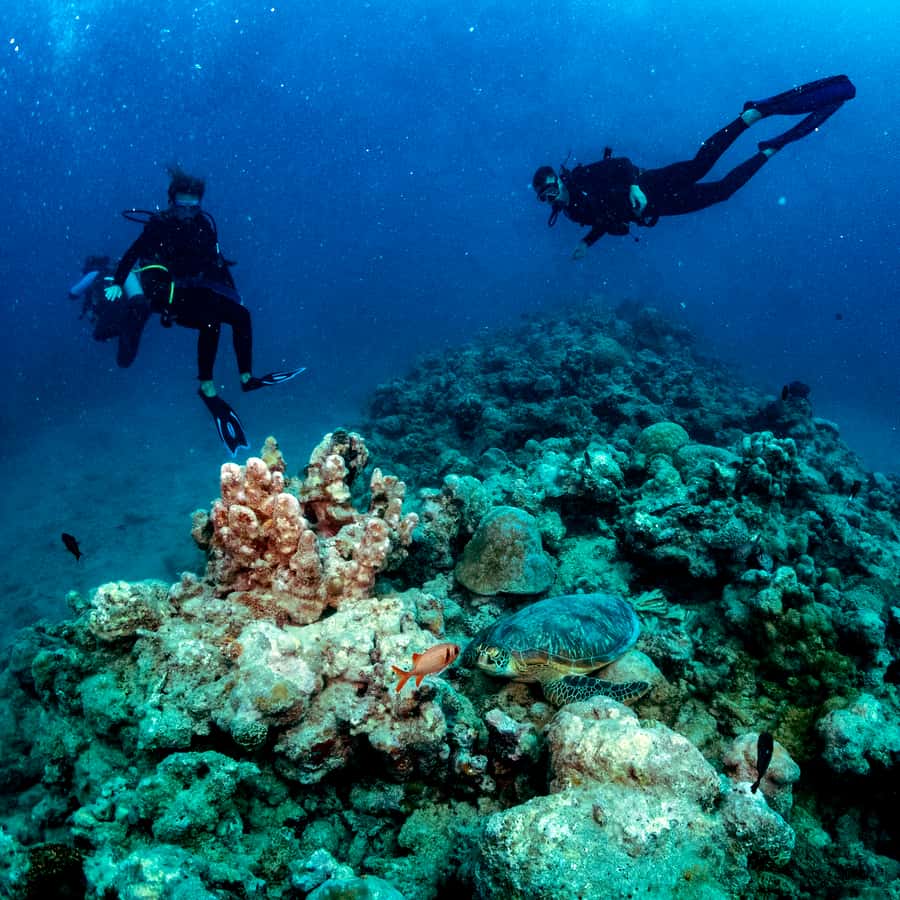
The session runs about 3 hours, and you’re asked to arrive about 15 minutes before the activity begins. That buffer gives you time to check in, complete forms, and avoid stress right before you go into the water. Stress is not your friend when you’re learning controlled breathing.
You should also plan your body and schedule:
- Avoid a very heavy meal before you go, since it can make you feel uncomfortable
- Do not drink alcohol before the activity
- Bring sunscreen, snacks, and water
- Pack a change of clothes for after
If you’re carrying personal nerves, treat the morning like a calm training session, not a dare. The team is set up for beginners, but your comfort still influences how easily the breathing and buoyancy skills come together.
Gear and what to bring (so you don’t lose time at check-in)
You’ll use the provided equipment, but you still need your own basics.
Bring:
- Towel
- Snacks
- Sunscreen
- Water
- Change of clothes
- Waterproof camera (optional, but many people want to capture the first-time moment)
Not allowed:
- Luggage or large bags
- Alcohol and drugs
If you like photos but hate bulky gear, a waterproof camera is the cleanest way to avoid fiddling with pockets and straps while you’re learning basic movement. If you’re unsure, keep it simple and secure it well.
Safety, eligibility, and the medical rules you must take seriously
Scuba is safe when you match the activity to your health, and this operator is explicit about who must get medical clearance.
A recent medical certificate is required if you have conditions such as:
- Asthma or other breathing or lung problems, chest disease
- Any heart disease history, high blood pressure, or history of heart attack or stroke
- Seizures, epilepsy, or similar neurological conditions
- History of blackouts or fainting
- Any previous scuba accidents or decompression sickness
- Recent surgeries, including within the last 6 months
- Ear surgery
- Hernia, ulcers or ulcer surgery, colostomy
- Any psychological problems
Pregnant women are not allowed to scuba.
There are also clear “not suitable” categories:
- Children under 10
- People with mobility impairments
- People with heart problems
- People with respiratory issues
- People with epilepsy
- People with pre-existing medical conditions listed above
- People with kidney problems
- People with high blood pressure
- People with recent surgeries
- People over 70
- People who have done scuba within the last 24 hours
If you’re on the fence because of a medical condition, don’t wing it. Talk to your doctor early and get the paperwork sorted before your trip. This is the kind of rule set that exists to keep you safe in the water, not to be difficult.
Who this Tamarin Bay beginners session fits best
This is a great match if:
- You’ve never tried scuba before and want structured coaching
- You want calm, shallow water learning rather than a chaotic first attempt
- You prefer a small group and close instructor attention
- You want a taste of Mauritius underwater without spending days on training
It may not fit as well if:
- You want a long, advanced-style underwater program
- You expect dramatic coral hunting and lots of wildlife at every turn
- You have health constraints that require clearance and can’t provide it
For many people, this is the “first step” experience. It’s also a good option if you’re traveling with friends who are curious about scuba but don’t want to commit to a full course right away.
Should you book this first-time scuba session in Tamarin Bay?
Book it if you want a beginner-focused introduction with pool practice, small-group attention, and constant instructor supervision in calm, shallow water. The $109 price is easier to justify when you compare what’s included, equipment plus insurance, and when you look at how the format reduces stress for first-timers.
Skip or reconsider if you fall into the medical restrictions, can’t provide the required medical certificate, or you’re expecting a long, big-adventure underwater itinerary. Also, if underwater wildlife variety is your top priority, ask questions about the site plan for your specific day, and keep expectations grounded.
If you’re healthy, curious, and ready for patient instruction, this is one of the smarter ways to experience the underwater side of Mauritius in just a few hours.
FAQ
Do I need a scuba license or certification to join?
No. This beginner experience is designed for first-timers and does not require a scuba license or certification.
How long is the experience, and how large is the group?
The total duration is about 3 hours. The group is limited to a small size of 8 participants.
What is included in the $109 price?
Equipment use, insurance, and water are included.
Is food or a towel included?
No. Food and a towel are not included.
Is the experience suitable for children or pregnant women?
Children under 10 are not suitable, and pregnant women are not allowed to scuba.
What medical conditions require a recent medical certificate?
A recent medical certificate is required for people with conditions such as asthma or breathing problems, lung or chest disease, epilepsy or seizures, blackout or fainting, any heart disease or high blood pressure, recent surgeries (last 6 months), ear surgery, and history of decompression sickness or scuba accidents. The list is not exhaustive, so you may be asked for medical approval for other conditions too.
What should I bring, and what is not allowed?
Bring a towel, snacks, sunscreen, water, change of clothes, and a waterproof camera. Large luggage or bags are not allowed, and alcohol and drugs are not allowed.
Newest listings around Mauritius
- Private Full Day SpeedBoat Tour – Blue Bay to Ile Aux Cerfs★ 5.0 · 3 reviews
- VallePark: ATV, Zip-lines, Adventure Park, Adrenaline, Fun★ 4.3 · 20 reviews
- Dodo’s Trail: Discover Mauritius’ Heritage & Creole Lunch★ 4.5 · 105 reviews
- Île aux Bénitiers: Swim with Dolphins & BBQ Lunch★ 4.2 · 126 reviews
- Mauritius: Full-Day Tour with Chauffeur Guide★ 4.8 · 721 reviews
- Mauritius: Wild Southwest Full-Day Tour with Lunch★ 4.7 · 1,038 reviews
- Mauritius: Watersport Adventure Day with Lunch and Pickup★ 3.9 · 3 reviews
- Private :Whales and dolphins watching/Swimming with dolphins★ 5.0 · 3 reviews
Scuba Diving, compared.
DISCOVER SCUBA DIVING IN LEMORNE with EasydiveMauritius
Read our review →Browse the lists this tour appears in